


Discover more
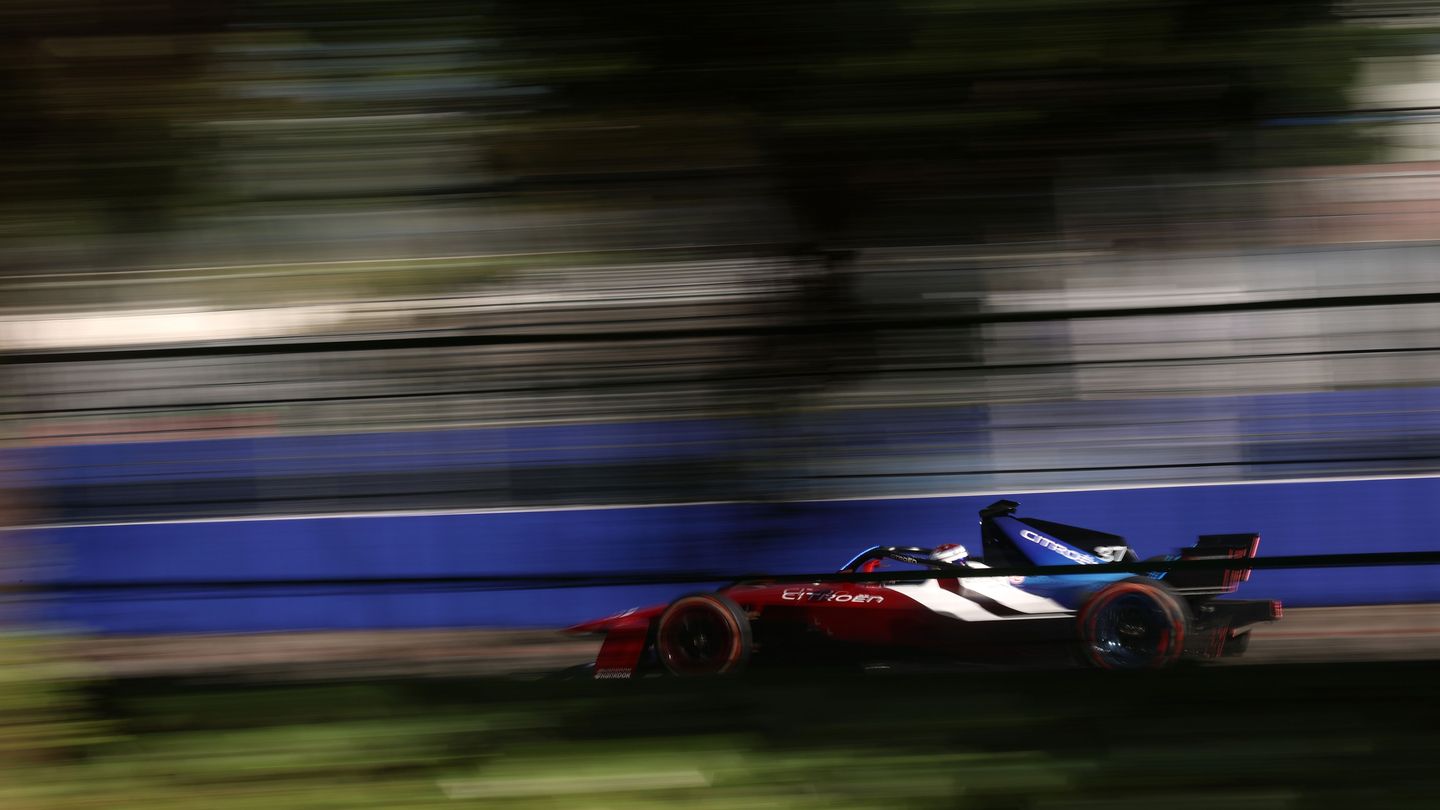
Nick Cassidy charged from 15th on the grid to finish third and give Citroën a podium finish on its ABB FIA Formula E debut with a drive reminiscent of so many high points from last season. That qualifying performance belied the pace of the Citroën package in Brazil, with team-mate Jean-Eric Vergne a more representative third on the grid. So Cassidy was confident there was still plenty to be gained - it just required a good strategy, patience and a little luck to be able to unleash his speed effectively.
REPORT: Dennis wins storming Season 12 opener in São Paulo
But Citroën targeted Cassidy for a reason. Few drivers are as dependable as he is when it comes to reading a ABB Formula E race well. And as he settled in to the first part of the E-Prix, opting to keep out of trouble at the start rather than be a lap-one hero trying to take advantage of some scrappy driving ahead, it was a case of staying disciplined. Cassidy spent the first half prioritising his energy management rather than pushing on from 14th, having gained a place overall on that opening lap. Consider that a top speed of more than 250km/h was possible with ATTACK MODE deployed and Cassidy’s top speed was below 230km/h for the first third of the race, and you get an idea of how much he was holding back.
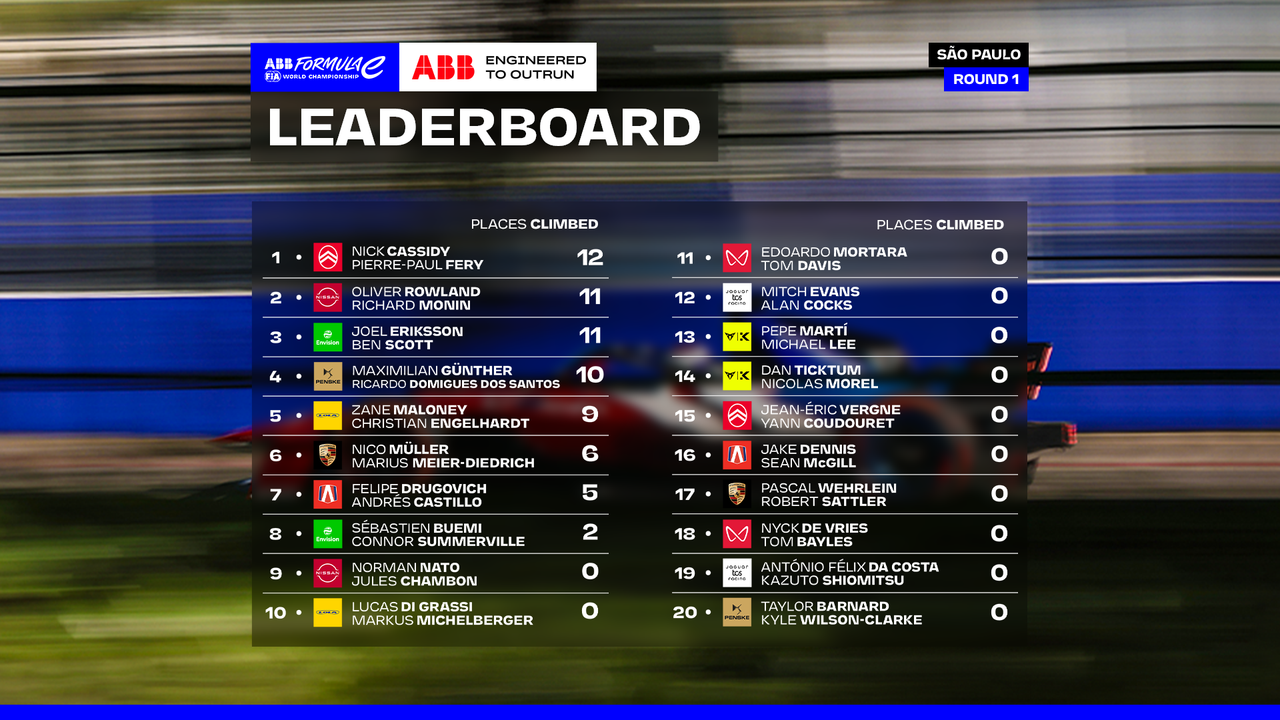
He was content to run in the train and, despite an average speed that was about as ordinary as his midfield position would suggest, did well to slowly build a small state of charge advantage over everybody ahead of him. In other words he held his place in the train while saving energy that would allow him to push more than those around him as the race progressed, priming himself to make bigger gains late on.
JOIN US: Buy your tickets for Formula E in Season 12
It is an unglamorous tactic but difficult to make work. Barely saving 0.1%, 0.2% of battery doesn’t seem like much in isolation but each little deposit over 10-15 laps can add up to quite a nice withdrawal - especially as early ATTACK MODE adopters tend to spend a little more energy sooner, and that can also trigger reactive moves from others. This kind of squabbling allows the energy-saving gains to creep up a little - for Cassidy he had around 3% more energy compared to the median - so then it was just a question of timing.
Cassidy struck just after the halfway point. There was a clear spike in his energy usage from lap 16 to lap 22 as his sub-median usage turned into deploying upwards of 0.3% a lap more energy than what would normally be expected through the grid. It was extremely effective as armed with ATTACK MODE Cassidy cut through the field incisively and efficiently, to rise from 14th to 2nd in the space of just a few laps. To illustrate how perfectly he judged this, he gained his final place with the very last seconds of ATTACK MODE remaining.
How Citroën Racing are making history in the Formula E World Championship
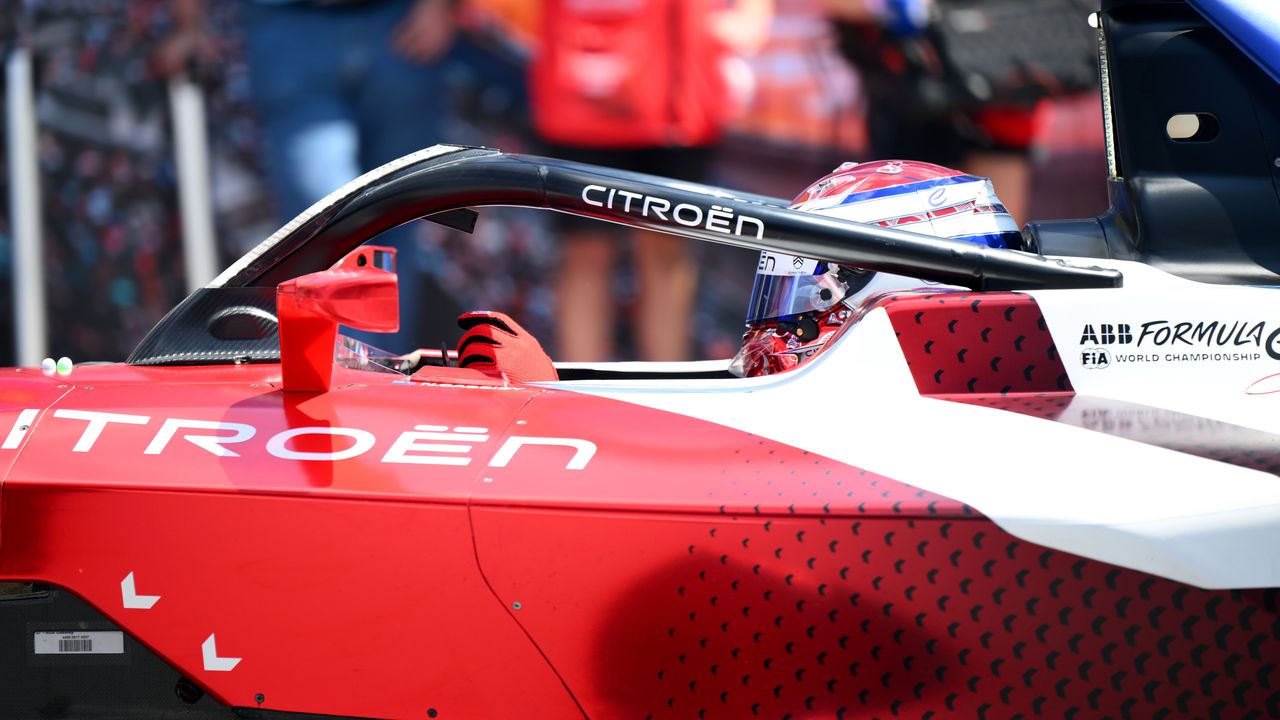
An ill-timed safety car neutralised his second ATTACK MODE deployment, and left him powerless to drop Jake Dennis getting past in the final part of the race as a result. So it could, perhaps should, have been even better with how effectively Cassidy ran this race.
But a strong result was never in doubt even after a late full-course yellow and red flag. He was not particularly vulnerable as the early energy saving had allowed him to make his mid-race surge without leaving him battling a drastic deficit late on, and those disruptions actually hurt him rather than helped him.
It says a lot that there was merit to be mildly disappointed with the final result despite scoring his first podium with Citroen on the team’s single-seater racing debut from 15th...
Find out more
UNMISSABLE: Watch the brand-new season of 'Driver' on Amazon Prime
CALENDAR: Here's every race set for the 2025/26 Formula E season
FOLLOW: Download the Formula E App on iOS or Android
TICKETS: Secure your grandstand seats and buy Formula E race tickets
HIGHLIGHTS: Catch up with every race from Formula E IN FULL
HOSPITALITY: Experience Formula E and world-class motorsport as a VIP